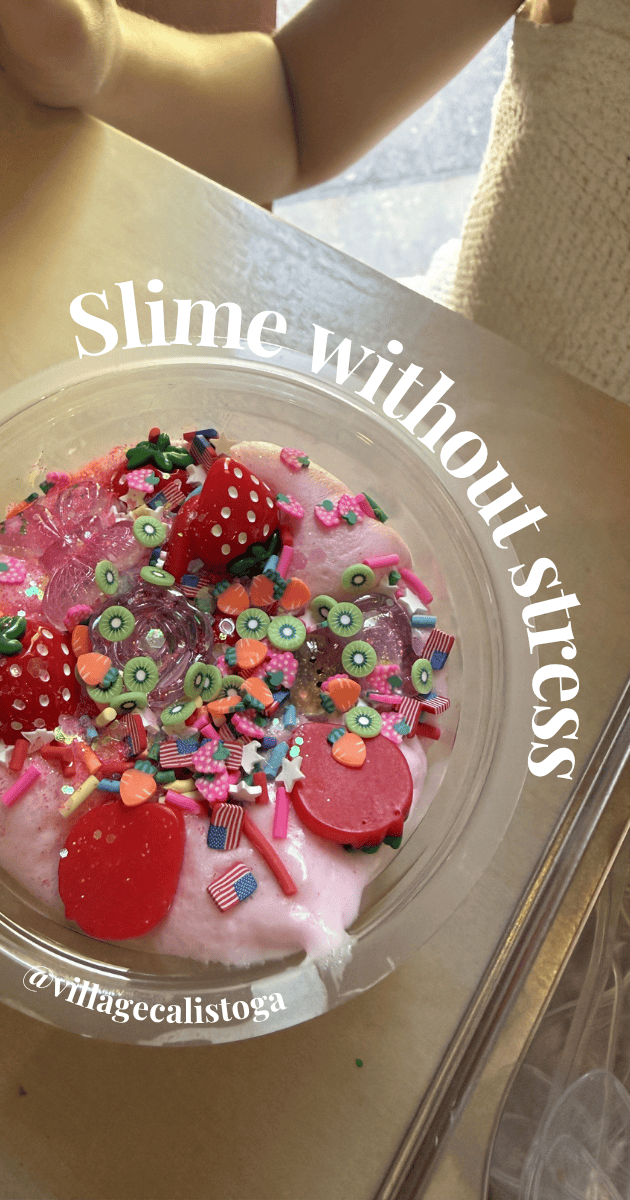
Slime can be fun for children and stressful for adults.
It stretches, sticks and sometimes ends up far beyond the table. Many parents and caregivers want to offer hands-on play without creating a cleanup problem for the rest of the day.
The good news is that slime does not have to take over the house. With a simple setup, clear boundaries and active supervision, families can make the activity easier to manage.
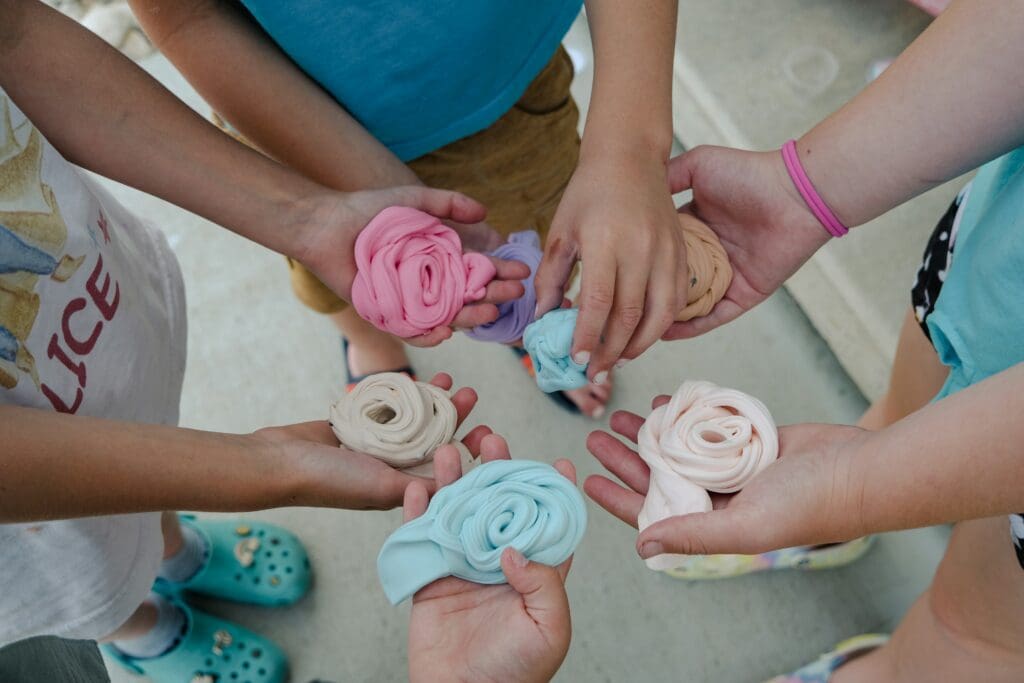
Slime changes every time a child touches it.
Pull it slowly and it stretches. Squeeze it and it changes shape. Fold it, roll it or press it, and the material responds in a new way.
These reactions give children opportunities to use their hands, notice cause and effect and develop their own ideas through play.
Slime is not a guaranteed developmental tool, and it will not appeal to every child. It is simply one open-ended material families can offer when it feels appropriate.

Squeezing, pinching and rolling the material use the small muscles in the hands and fingers. Children also use these muscles when they hold crayons, turn pages, use utensils and fasten clothing.
The texture, temperature and resistance of slime also provide sensory information. Some children may touch it immediately. Others may prefer to use a scoop, craft stick or sealed sensory bag.
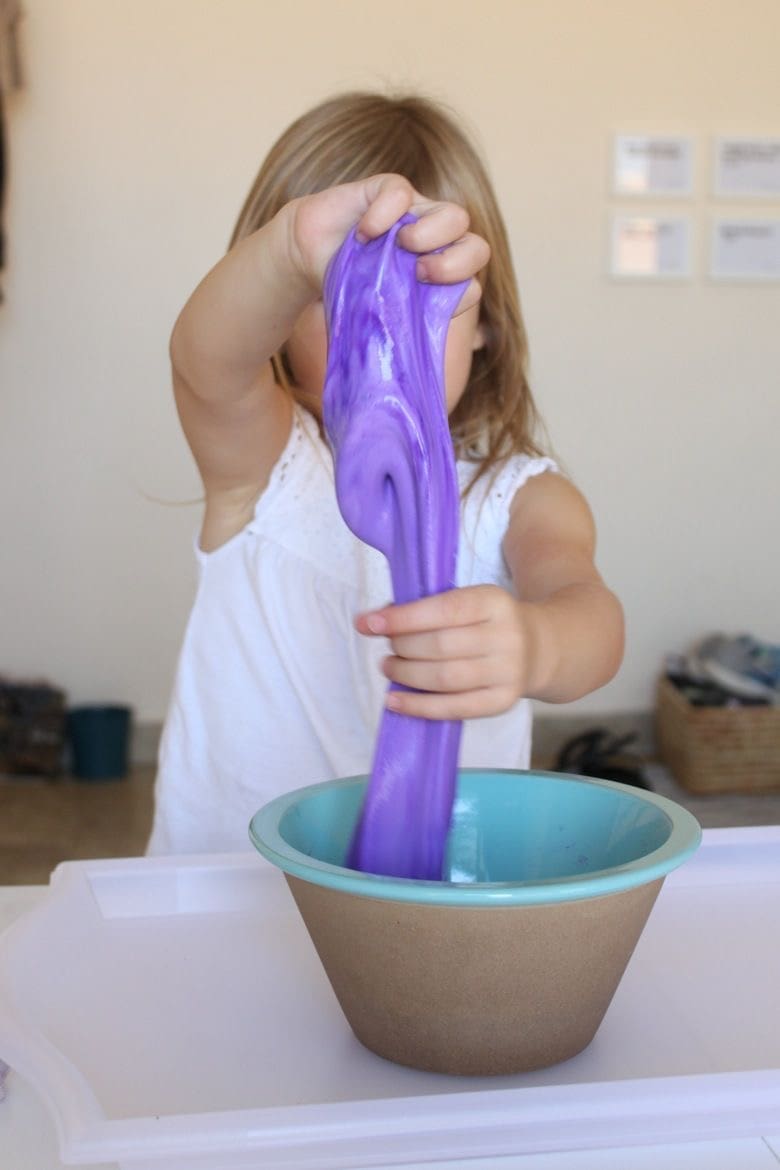
There is no need to pressure a child who dislikes the texture. Children can participate in different ways based on their age, abilities and comfort level.
Slime can also become part of imaginative play. It might be pretend lava, soup, an alien planet or a swamp for toy animals.
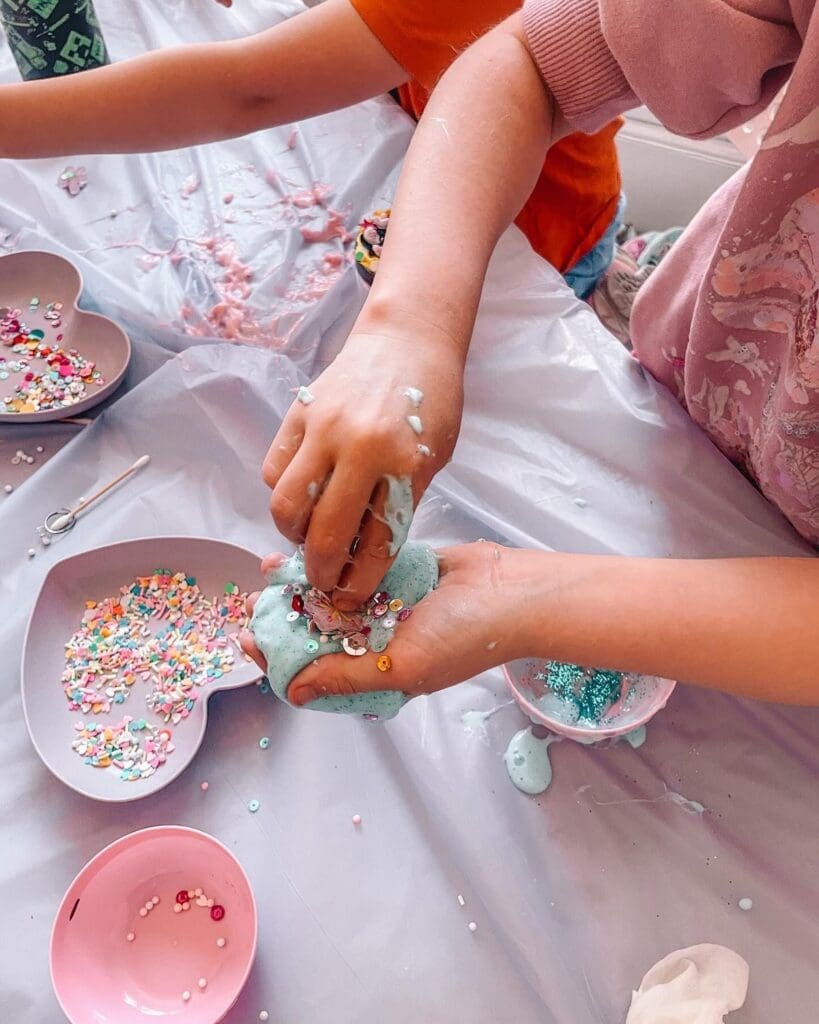
A few simple questions can help extend the activity:
What do you notice?
What do you think will happen?
What changed?
What are you making?
The goal is not a perfect result. The goal is to give children room to observe, experiment and create.
At Village, we believe play works best when families can adapt it to their own routines, comfort levels and children's needs.
Before opening the container, try this simple plan.
Place the slime on a baking sheet, cafeteria tray or washable placemat. This gives children a clear area for play.
Use a hard table and flooring instead of carpet, bedding or upholstered furniture. Outdoor play may also be an option.
Keep a damp cloth or paper towels nearby before opening the slime. Old clothing or an art smock can also help.
Keep expectations short and specific:
"Slime stays on the tray."
"Slime stays away from faces and mouths."
"When we finish, we put it away and wash our hands."
Children can help close the container, return the tools and wipe the tray when playtime ends.
This plan gives children room to explore while helping caregivers keep the activity manageable.
Families who would like to try slime at home can start with this small-batch recipe.
Use a contact lens solution that contains boric acid or sodium borate, since not every formula will activate the slime.
Slime play requires active adult supervision, especially for younger children and for children who may place nonfood objects in their mouths.
Use products clearly labeled for the child's age and follow the manufacturer's instructions. Slime should not be eaten. Keep it away from the eyes, mouth, broken skin and pets.
Avoid beads, charms and other small pieces when they could present a choking hazard.
Homemade recipes may include borax, boric acid, contact lens solutions or other products containing borates. Follow all product labels, store ingredients out of children's reach and do not treat them as food-safe materials.
An adult should prepare or dispense the slime. Children should wash their hands after playing, and the activity should stop if irritation occurs.
Important
Slime play requires active adult supervision, especially for younger children and for children who may place nonfood objects in their mouths.
Use products clearly labeled for the child's age and follow the manufacturer's instructions. Slime should not be eaten. Keep it away from the eyes, mouth, broken skin and pets.
Avoid beads, charms and other small pieces when they could present a choking hazard.
Homemade recipes may include borax, boric acid, contact lens solutions or other products containing borates. Follow all product labels, store ingredients out of children's reach and do not treat them as food-safe materials.
An adult should prepare or dispense the slime. Children should wash their hands after playing, and the activity should stop if irritation occurs.
This information is general safety guidance and does not replace advice from a pediatrician or poison specialist.
To make setup easier, families can find the materials for this activity in the Village Amazon Storefront.
Families do not need to choose between hands-on play and a manageable home.
A few boundaries can help children explore slime without leaving caregivers with an overwhelming cleanup. The activity does not need to happen every day, and it does not need to work for every child.
The best play experiences are the ones families can adjust to fit their own space, schedule and comfort level.
For more practical, low-pressure play ideas, follow The Village on Instagram.

Copyrights 2025 | The Village Calistoga | Privacy Policy | Terms of Service | Membership Agreement | Accessibility Statement